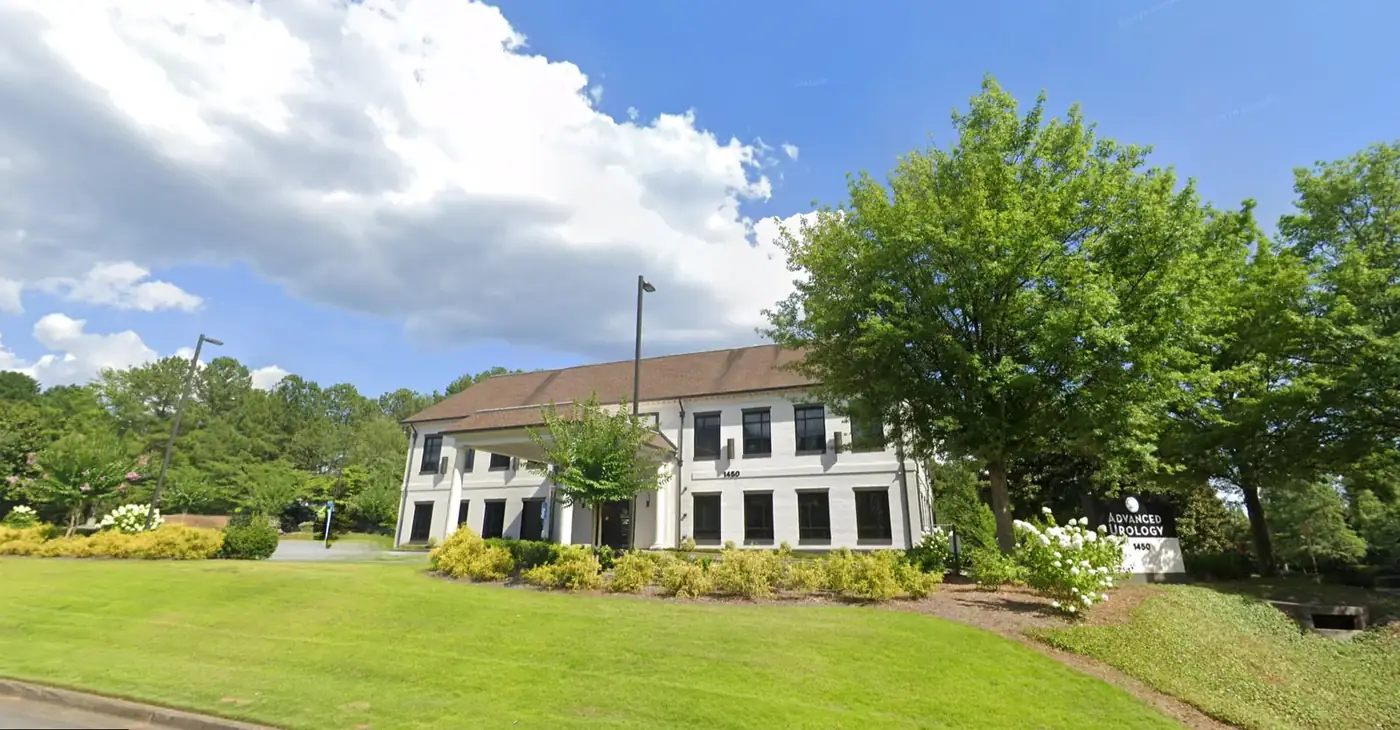
When male pelvic pain cannot wait
Fever or chills with pelvic pain, being unable to urinate, severe pain in one testicle that came on suddenly, or blood in the urine with strong pain should be handled in an emergency department or by calling 911, not by waiting for a clinic slot. For pain you can plan around, call 678-344-8900 or book online.
What male pelvic pain can feel like
The usual descriptions include pain or pressure in the pelvis, perineum (the area between the scrotum and anus), penis, scrotum, lower belly, groin or lower back. It can be sharp or dull, constant or on and off. Men also describe pain after sitting a long time, pain during or after ejaculation, a weak or hesitant stream, urgency, frequency, burning with urination, or erection trouble. Pain with blood in the urine or semen, or with fever or chills, is a reason to be seen promptly.
Common causes we check for
- Prostatitis. Inflammation of the prostate. The types are acute bacterial prostatitis, chronic bacterial prostatitis and chronic pelvic pain syndrome.
- Urinary tract infection. Men can get them too, with burning, urgency and lower belly pain.
- Pelvic floor muscle tension or strain. A tight or overworked pelvic floor from heavy lifting, cycling or prolonged sitting can cause lasting pain.
- Kidney stones, hernias and testicular conditions. Stones, an inguinal hernia, epididymitis or a varicocele can all send pain into the pelvis.
- Sexually transmitted infections. Chlamydia or gonorrhea can cause pelvic pain along with discharge or painful urination.
Chronic prostatitis and CPPS, in plain words
Chronic prostatitis/CPPS is long-lasting pain in the penis, scrotum, lower abdomen, perineum or lower back that is not caused by an active infection. Its cause is not clearly understood, and nerve damage, injury, stress, immune conditions and irritable bowel syndrome have been linked to it. Many men have been treated with antibiotics for an infection that never fully clears. If your cultures were negative and you still hurt, pelvic floor muscle problems are worth investigating. Our male pelvic floor article explains how those muscles work.
What we check at a first visit
We start with when the pain began, what makes it better or worse, how you urinate, and any recent infections or injuries. A physical exam checks for tenderness, swelling and tight muscles. Urinalysis and urine culture, blood tests, ultrasound or CT imaging, and cystoscopy as tools we use when they would change the plan. We do not order all of them every time. Bring a photo ID, insurance information if you carry it, a medicine list, and any prior urine, PSA or imaging reports. At Sandy Springs, our urologists include Dr. Marc Greenstein, whose official profile lists male and female pelvic pain; at Decatur, the official office page lists physician assistants on the on-site team, and we involve a urologist when the case calls for it.

Vahan Kassabian, MDUrologist; Director of Prostate Center 
Herman Bagga, MD, FACSUrologic surgeon 
Marc Greenstein, DOUrological surgeon; Director, Surgery Center Sandy Springs
Treatment options we use
- Antibiotics when an infection such as bacterial prostatitis or a UTI is the cause, sometimes for a longer course than usual.
- Anti-inflammatory medicine to calm pain and swelling.
- Alpha blockers, which relax the muscle of the prostate and bladder neck and can ease urinary symptoms and pain.
- Muscle relaxants when pain looks nerve-related or tied to pelvic floor dysfunction.
- Pelvic floor physical therapy, often recommended with muscle relaxants when the pain is muscular. For a tight pelvic floor, the goal is to relax the muscles, not to strengthen them. Advanced Urology's men's pelvic floor therapy guide notes that Kegel-style strengthening can make a tight floor worse, so evaluation comes first.
- Lifestyle changes such as avoiding long stretches of sitting, using a padded seat for cycling, drinking enough fluids and cutting back on caffeine and alcohol.
Magnetic pelvic floor therapy is still considered experimental and not yet standard care. We would talk through that honestly if it came up. If a first treatment does not help, we revisit the plan together and consider the next line of options. We do not promise a particular result.
A video from Advanced Urology about pelvic pain
The official practice video below, from Dr. Marc Greenstein on Advanced Urology's official channel, is a conversation about pelvic pain with two pelvic therapy specialists. It is background for a visit, not a diagnosis, and we will still go over your own history in the room. Dr. Greenstein sees patients at our Sandy Springs clinic.

Questions about male pelvic pain and prostatitis
Is male pelvic pain always prostatitis?
No. A urinary infection, pelvic floor muscle tension, a hernia, a stone or a testicular condition can cause similar pain. That is why we examine you and test the urine before settling on a label.
Why did antibiotics not fix my pelvic pain?
Chronic prostatitis/CPPS is not caused by an active infection, so antibiotics may not help once an infection is ruled out. If cultures are negative and the pain remains, tight pelvic floor muscles are a common next thing we look at.
Will pelvic floor therapy mean more Kegels?
Not necessarily. For a tight pelvic floor, therapy focuses on relaxing and coordinating the muscles, and strengthening exercises can add to the problem. A therapist or urologist should confirm which kind you have before you start.
Does pain with sitting or after ejaculation need a urologist?
Both are recognized symptoms of pelvic pain and pelvic floor problems. A visit sorts out whether the prostate, the muscles or something else is behind them. See also our erectile dysfunction page if erections have changed too.
Can I start at the Decatur office?
Yes. The first conversation can happen at 2711 Irvin Way. If you want a urologist at the first visit, tell us when you book and we will look at the Sandy Springs schedule.
Which pain needs the emergency department?
Fever or chills with pelvic pain, being unable to urinate, sudden severe testicular pain, or heavy bleeding needs emergency care. Call 911 or go to an emergency department.
More on our pelvic pain in men page. Related pages: What is the male pelvic floor?, enlarged prostate treatment, weak urine stream, kidney stones and blood in the urine.
What the video covers
On this Sandy Springs page the official video we link is titled Dr. Greenstein discusses pelvic pain with pelvic floor therapists. Topics noted in the public listing include Dr. Those short phrases come from the public YouTube description; we have not added quotes.