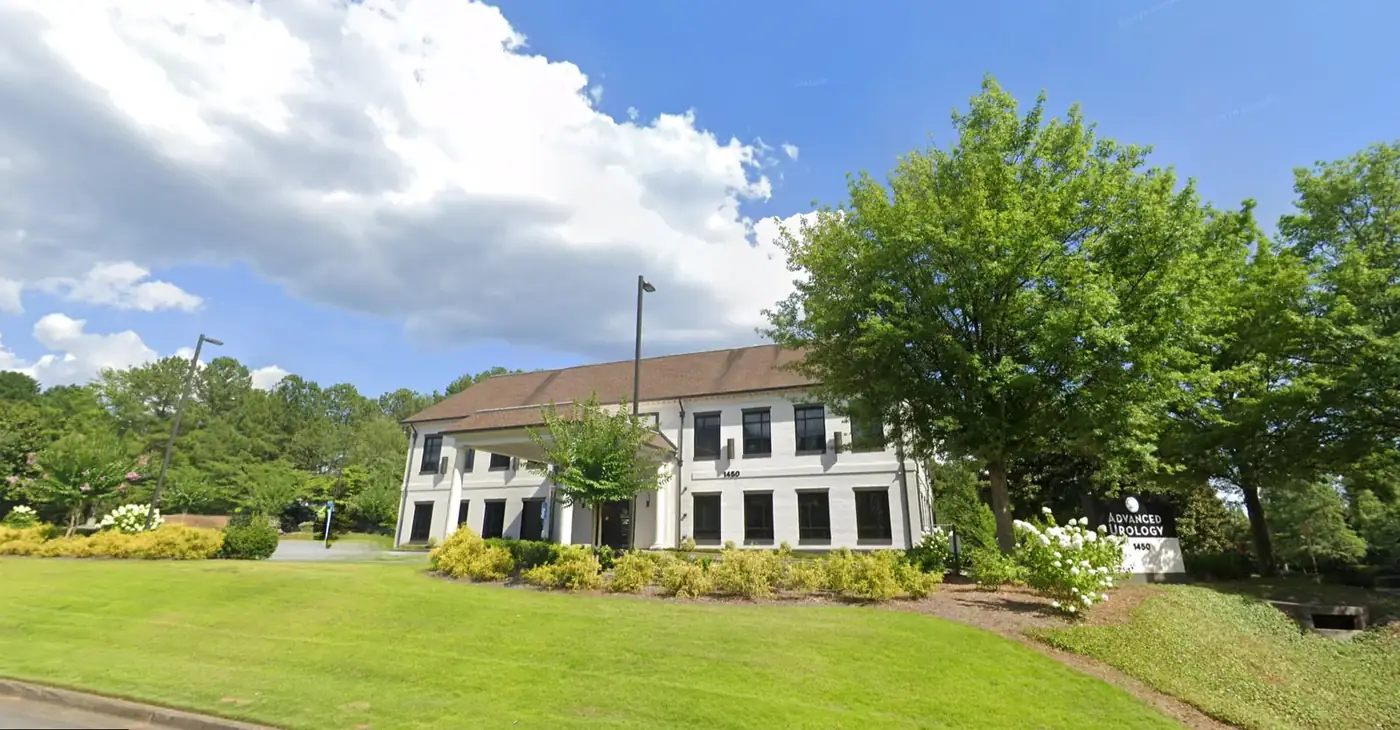
What Altaviva is, and how it differs from needle PTNS we don't offer
Overactive bladder can mean a sudden need to go, trips that stack up during the day or at night, and leaks that start before you reach the bathroom. Official Advanced Urology materials describe Altaviva Therapy as a small device placed under the skin near the ankle. It sends pulses to the tibial nerve, which is involved in the signals between the bladder and the brain, with the aim of easing urgency and leaks.
People searching for tibial nerve stimulation sometimes mean a series of needle treatments in the office, often called percutaneous tibial nerve stimulation, or PTNS, and we don't offer needle PTNS sessions. When tibial nerve stimulation is the path we discuss, the option we already offer is this implant. If you came in asking about PTNS, we will say clearly that we don't offer needle PTNS sessions, and we will walk through Altaviva or another treatment we already provide.
Official background stays on Advanced Urology's tibial neuromodulation and Altaviva page. For a shorter comparison with office needle treatments, see our article how Altaviva differs from office tibial nerve treatment.
Who a tibial nerve implant for overactive bladder may fit
Official materials describe Altaviva for overactive bladder, urinary urgency, frequent urination, urge incontinence, and, in some cases, non-obstructive urinary retention. They often place it after medicines or pelvic floor work have not given enough relief. The first visit is still a history, a urine test when it would help, and a look at what you have already tried, so we can say whether Altaviva, bladder Botox, InterStim, or a change in conservative care is the more reasonable next step.
If leaking happens when you cough, sneeze, or lift, without that sudden urge, the problem may be stress leakage rather than overactive bladder, and the treatment path can differ. Many people have a mix. Our overactive bladder treatment and bladder leakage pages stay with that sorting, and women can also begin with our urology care for women page.
What the implant day and later care are like
Official materials describe a small device placed under the skin near the ankle as an outpatient procedure. Your consult can begin in Sandy Springs or Decatur, and we will tell you the scheduled site for the implant once that day is planned.
Official materials say the implant has a battery expected to deliver fifteen years of therapy, and that under standard settings it is charged one to two times a year, with a charge that takes about thirty minutes when placement and speed are as described there. Those figures come from that official page, not from a promise about your own device. Official materials also list possible risks, including pain at the implant site, lower-leg pain, infection, device problems, movement of the implant, a change in bowel or bladder function, or uncomfortable stimulation. We will go over those in the room, including when to call or go to an emergency department after the procedure.
If you need an MRI later, our article getting an MRI with Altaviva stays with that question. Bring the article or your device card to any imaging appointment, and we will still confirm the details for your own implant.
How Altaviva compares with InterStim and bladder Botox
Altaviva acts at the tibial nerve near the ankle. InterStim is sacral nerve stimulation, with a test phase before a lasting implant, and we already discuss it for some overactive bladder symptoms and for bowel leakage. Bladder Botox is medicine placed in the bladder wall and needs to be repeated. We will not rank those options in a slogan; we will say which of them, if any, fits the pattern you describe and what you have already tried. Related reading: InterStim for bowel control if stool leakage is part of the same week.
Overactive bladder treatment in Sandy Springs: how a visit starts
Call 678-344-8900 or book online and ask for a visit about Altaviva, tibial nerve stimulation, or overactive bladder treatment. You can begin at Sandy Springs or at Decatur. If you would like the first appointment to be with a urologist, say so when you book. At Sandy Springs, the official office page names Vahan Kassabian, MD; Herman Bagga, MD, FACS; and Marc Greenstein, DO, along with the family nurse practitioner and physician assistants who work with them. At Decatur, the official office page lists physician assistants on the on-site team.

Vahan Kassabian, MDUrologist; Director of Prostate Center 
Herman Bagga, MD, FACSUrologic surgeon 
Marc Greenstein, DOUrological surgeon; Director, Surgery Center Sandy Springs
A video from Advanced Urology about Altaviva
The official practice video below, Fran's Altaviva Success Story, is one patient's account from Advanced Urology. It is background for a visit, not a prediction about your own result.

When urgency or leakage cannot wait for a routine visit
If you cannot pass urine, if bleeding is heavy, or if a high fever arrives with urinary symptoms, call 911 or get to an emergency department now. Ongoing urgency, frequent trips, or urge leaks you can plan around belong in a regular visit; call 678-344-8900 and we will look at the next opening at Sandy Springs or Decatur.
Questions about Altaviva and tibial nerve stimulation
What is Altaviva, in plain words?
Altaviva is a small implant placed under the skin near the ankle that stimulates the tibial nerve, which is involved in bladder-control signals. Official materials describe it for overactive bladder, urgency, frequent urination, and urge leakage, often after medicines or pelvic floor work have not been enough. A visit at Sandy Springs or Decatur is where we decide whether that implant, or another treatment we already offer, belongs in your plan.
Looking for PTNS?
No. Needle PTNS is a series of office treatments that use a needle near the tibial nerve, and we don't offer needle PTNS sessions. When someone asks us about tibial nerve stimulation or PTNS, we don't offer needle PTNS sessions; the option we already offer is Altaviva, the implant.
What is recovery like after a tibial nerve implant for overactive bladder?
Official materials describe the placement as an outpatient procedure, with a small device under the skin near the ankle. Official materials also list risks such as pain at the implant site, infection, or unintended stimulation, so we will tell you what to watch for and when to call. If you cannot pass urine, or if the site looks infected and you feel unwell or have a fever, go to an emergency department or call 911 rather than wait for a routine slot.
Can I get overactive bladder treatment with Altaviva in Sandy Springs?
You can start the evaluation at our Sandy Springs or Decatur office. Our urologists already offer Altaviva. Official procedure and office pages do not name the campus where the implant itself is performed, so we will tell you the scheduled site once that day is planned. Call 678-344-8900 or book online and ask about overactive bladder treatment or Altaviva.
How does Altaviva compare with InterStim or bladder Botox?
Altaviva stimulates the tibial nerve at the ankle. InterStim stimulates sacral nerves and usually starts with a test phase. Bladder Botox is placed in the bladder wall and is repeated later. We will talk through which of those, if any, fits what you have already tried and whether urine leaks, night waking, or bowel leakage are part of the same picture. See overactive bladder treatment for the wider ladder of care.
How often does the device need to be charged, and how long does it last?
Official materials say the implant has a battery expected to deliver fifteen years of therapy, and that under standard settings it is charged one to two times a year, in about thirty minutes when placement and speed match what that page describes. We will confirm the instructions for your own device at follow-up rather than treat those figures as a promise about your own device.
What the video covers
On this Sandy Springs page the official video we link is titled Fran's Altaviva Success Story. This Sandy Springs summary stays with that public title and does not add other claims.